
On July 27, 2017 Apple announced the discontinuation of the iPod Nano line. Over the years, the black sheep of Apple’s music line took many forms and shapes as the company tried to find a successful build that hit with consumers. In the era of music streaming, a dedicated offline music player fell out of favor dragging down most of the iPod line with it.
This article is an appreciation for all of the wild designs the Nano took on, both good and bad.
2005
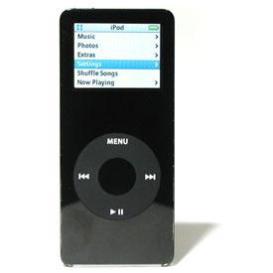
In September of 2005, Apple unveiled their revolutionary new product in the iPod line of devices. The Nano would be considered one of the smallest music players of the time. The iPod was small enough to fit in the watch pocket of the average pair of jeans. The small frame also helped the device become popular for those exercising as the build added little weight as an accessory compared to larger iPods.
The design itself was widely a smaller version of the then-current iPod Video. The main difference was the Nano was taller than it was wide, similar to the shape of the average flash drive. One of my main complaints about the design, along with the iPod Video it was inspired by, was that the glass front and shiny metal rear were prone to scratches; an issue amended in Generation 2.
2006

The second generation of iPod Nanos went back to the iPod’s roots from the era of iPod Minis. The next generation of the product brought color back into the iPod line, an option I have missed for quite a long time. The new design featured a rounded metal finish that dealt with scratches better. The matte finish became a staple with the Nanos going forward along with the many color options.
2007
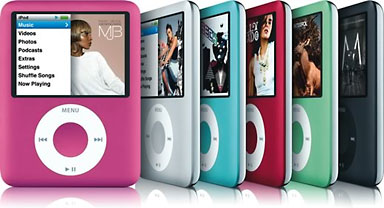
Here’s where Apple starts shaking things up in the Nano line. The third generation of the the iPod Nano featured a more squared off design closer to the width of its older brother, the iPod Classic. The scratch-resistant aluminum returns once again in a variety of colors. The shape of the iPod pushed for more media consumption than the Nanos of the past. The wide screen made it possible to watch videos and play the newly introduced iPod games, an addition I consider to be a wet-test for the coming App Store.
To me the third generation design is peak weirdness for the Nano line. Previously the Nano was for ultra-portable music whereas the new generation muddled the message. The device was still small, but the square design made it odd to hold in your hand. Not to mention the low storage options made it difficult to justify the device as a multimedia player. Apple seemed aware of the issue and went back to design closer to the original in the next generation. When I think of the iPod Nano, I always imagine this iteration first, and I honestly can’t explain why. Maybe it is the separation from all the devices before and after that makes it truly stick out in my mind.
2008
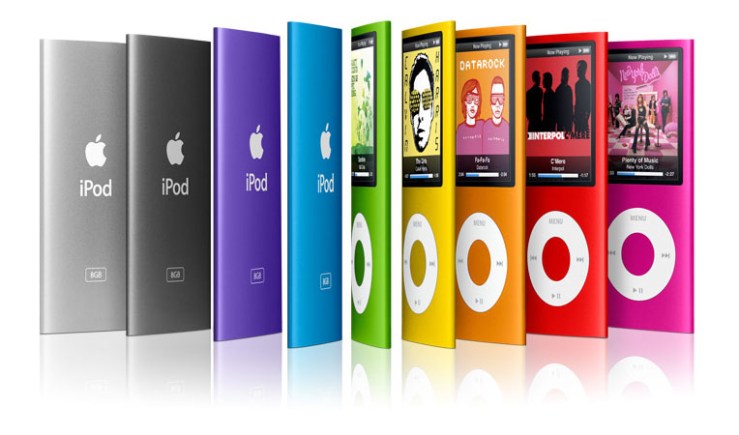
The fourth generation brought a greatest hits compilation of ideas from the entire Nano history leading up to it. The matte metal, multiple colors and the relatively large screen returned from the third generation. The main difference was the return to the narrow form of the first and second generation. Some new features like the accelerometer to put the device into cover flow mode and shaking the device to shuffle were added as well.
2009
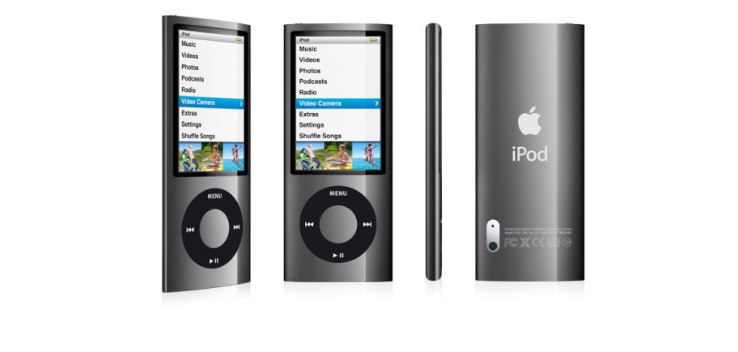
The fifth generation was the most iterative design of all the Nanos thus far. Nothing changed between 2008 and 2009 besides the addition of a camera and a shinier finish on the metal. The camera, to me, was a weak addition and more of a novelty at 0.3 megapixels. Under the hood the new pedometer was an ahead-of-its-time feature considering how popular step-trackers are. It also had a built in speaker to listen to recorded audio without needing headphones.
2010-2011
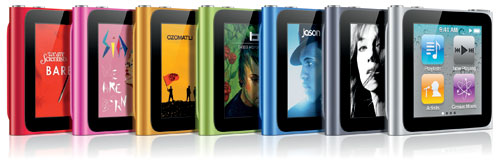
Here is where things get interesting. The sixth generation of the iPod Nano could be considered by many to be the prototype of the now popular Apple Watch. This model dropped the iconic click wheel in favor of a near-perfectly square frame with only a touch screen. The new device stripped most of the features from before away; it was centered around audio playback. No games or videos could be sycned to the music player.
The device also adapted some of the iPhone’s physical features in the form of volume up and down buttons similar to the iPhone 4 and the familiar sleep/wake button on top. An update was added later that added watch faces to the device making it closer to a watch than before. Watchbands that the Nano clicked into which allowed you to wear it as a watch were designed by third party companies.
2012-2017

The seventh and final generation of the iPod Nano was yet again a return to the more traditional Nano design. The tall design returned, however a home button similar to the iPhone replaced the click wheel. The touch screen remained the primary input method. The design always seemed a bit off to me as the software featured, strangely enough, round icons that clashed with the rectangular screen. This time around, the frame was released in five different colors far more pastel-like than the previous color options. Unfortunately besides the redesign, very few features set the 7G Nano apart from the rest of the line. The added features seemed more focused on health as Bluetooth speaker support was added and heart rate monitors came standard.
The iPod Nano went out not with a bang but with a whimper. The formerly groundbreaking line of small music players was widely ignored up until the quiet discontinuation half a decade after the latest model was released. While many admired the tiny frame that kept shrinking and expanding over the years, the rise of streaming services including Apple’s own Apple Music made the idea of an offline music player obsolete and deprecated.

 Tech2Dump