
The Dream of a Modular Smartphone
Imagine dropping your phone face down on concrete. I know, the thought alone can be enough to make you cringe, but stay with me. Say you pick up the phone, and the screen is shattered beyond usable. Instead of going to a repair center, and paying up to a $100 to have it take all day; imagine popping into Best Buy, grabbing a new one, sliding the old one out, and sliding the new one on.
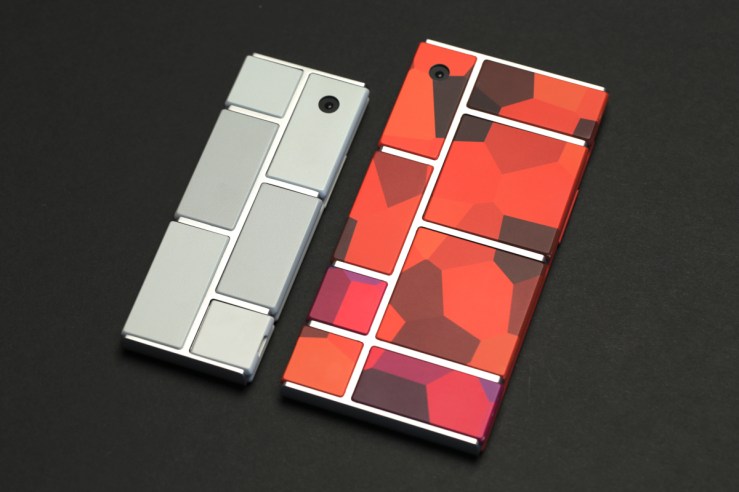
Google’s cancelled Project Ara was one of the most exciting ideas in smartphone tech in years. The idea of upgrading your phone with cameras, RAM, storage space, and batteries over time instead of locking yourself into a phone for a couple of years had me very excited about what the future of smartphones held.
That was the promise of Ara; a phone you could mix and match on the fly so you had a phone that adapted to your day instead of hoping the smartphone you had fit most of your needs.
Early Days: A Company Called Modu
Before Project Ara Google, an Israeli phone company named Modu held the Guinness Book of World Records’ award for smallest phone at three inches tall. Modu’s “T” was the company’s foray into modular design, which helped them arrive at the small design. The phone was a complete product in its own right, but consumers could by add-ons for the device. Fully QWERTY keyboards and an attachment that solely allowed Voice Over Internet Protocol or VoIP were the only two ever released.
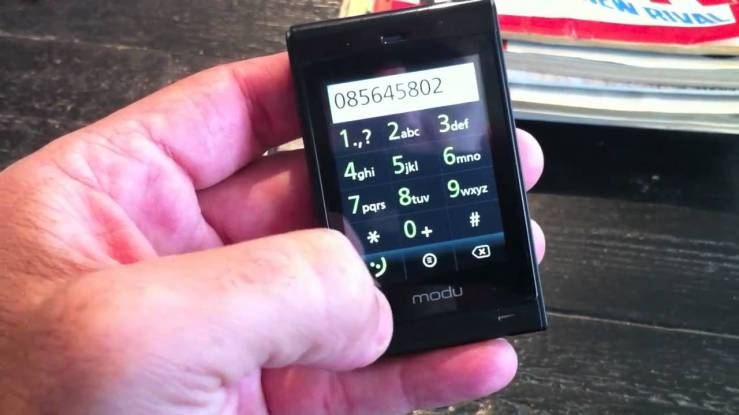
In 2011, Google purchased many modular patents as Modu was in the process of shutting its doors for good. The $4.9 million deal included all of Modu’s patents, most interestingly the ones covering modular design.
Following the acquisition of Modu’s patents, Google purchased Motorola Mobility. The Mobility team initially began development of Ara in April of 2013.
2013: The Year of the Modular Phone
Amidst Google’s silence on plans for the modular patents, a new modular player entered the ring in the form of Dutch designer Dave Hakkens’s new modular phone project Phonebloks. According to the Phonebloks Website Hakkens built the idea when his “camera broke and there was no means to fix it.” That event spiraled into a thought about how so much waste is from consumer electronics. Out of that idea came Phonebloks, a device that would let you customize your phone to fit your day to day by buying modules that attach to the rear of the phone. In September of 2013, a video was released, displaying the idea of Phonebloks to the world for the first time.
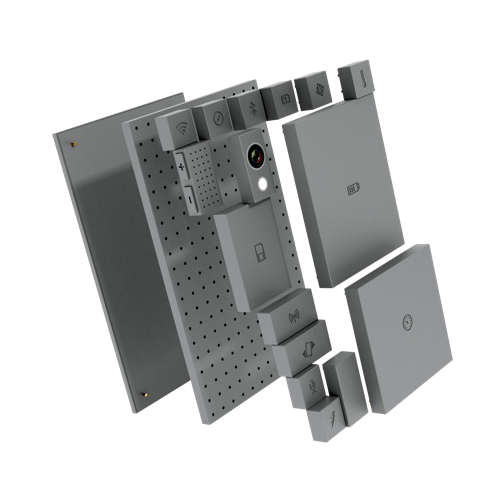
One month after the Phonebloks announcement in October of 2013, Google pulled back the curtain and revealed to the world Project Ara, the company’s entry into the modular ring. The interesting detail about the two reveals which differed from the average tech announcements was, rather than fighting each other for market share, both Moto and Phonebloks would work together to bring the idea to market.
Following the event, Motorola hit the road on a five-month trip around America to build hype around modular phones.
What Good is a Phone if it Doesn’t Boot?
Slightly over one year after initial development began, Google dedicated a segment of their 2014 I/O event to speaking at length the ideas Ara brought to the table. All was going well until the team decided to do a live boot sequence displaying the phone powering on for the very first time publicly.
After a few seconds of booting, the prototype loaded a small portion of the Android lock screen and froze. The failure showed how early in the development process Project Ara was, but to many the screen turning on was a victory in itself.
2016: The Dashed Hope
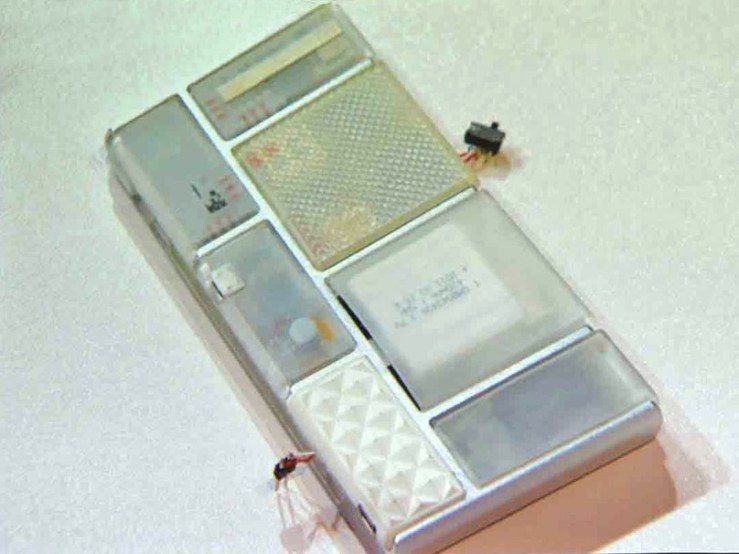
After a very quiet 2015, silence was broken by an exclusive story from WIRED’s David Pierce with a piece titled “Project Ara Lives: Google’s Modular Phone is Ready for You Now.” I was beyond excited as I read the article because so much was announced and many questions about the device had finally been answered. The day before Google’s I/O 2016 event the article went live saying he saw the device on, taking photos, and functioning as 30 developers’ daily phone. The article spoke of the phone’s software, right down to asking OK, Google to safely eject modules before removal. The article ended with the news that the developer units would be shipping out a few months after I/O.
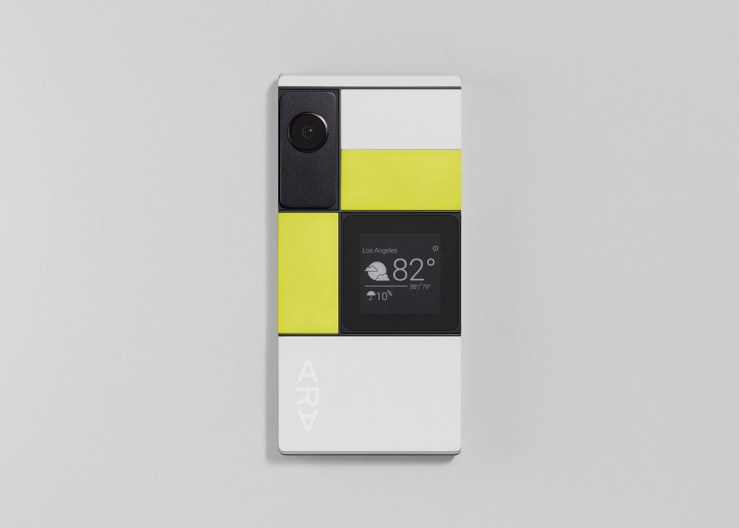
After finally getting the positive news many tech enthusiasts had clamored for since the Ara was first announced, four months after the working prototype had been revealed to the world Google told a writer at Venture Beat that Ara would not be coming to market at all and development was suspended indefinitely. The official reason for cancellation is Google’s chief of hardware Rick Osterloh wanted to get rid of clutter in Google’s product lineup. For many the reason was not good enough, and many other tech sites have speculated the true reason was cost efficiency. The tech was simply too advanced for what was on offer now, and performance may have been worse and costs been higher than conventional smart phones as a result.
As someone who was waiting on this phone to come to light, I was very disappointed with the phone I had waited for for so long would never actually arrive in my hands.
Ara’s Legacy
While Project Ara may never see the light of day again, the phone’s failure has not stopped some manufacturers from trying their hands at a modular smartphone. The results are mixed.
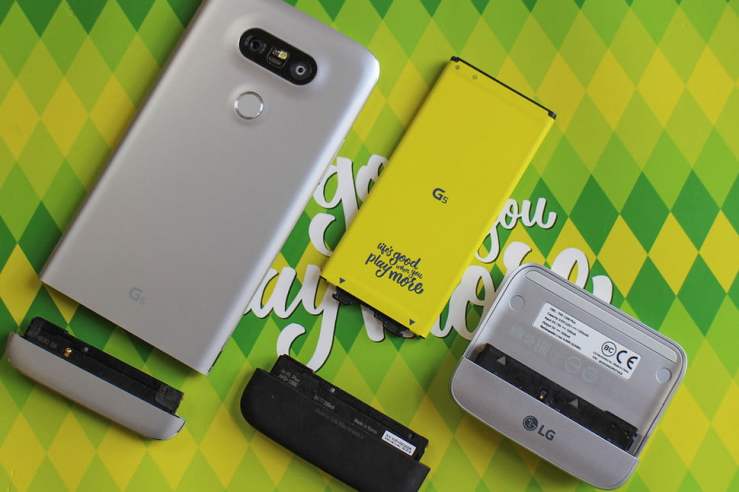
In 2016, LG released the LG G5 in their line of flagship smartphones. The device featured a removable chin which held the battery inside as well as allowed other attachments to replace it. The “Friends” line of modular attachments included analog camera controls, larger speakers for media, and a receiver for a 360 degree camera. While many thought the idea was novel, consumers did not take to the optional attachments and the modular design was abandoned in 2017’s LG G6.
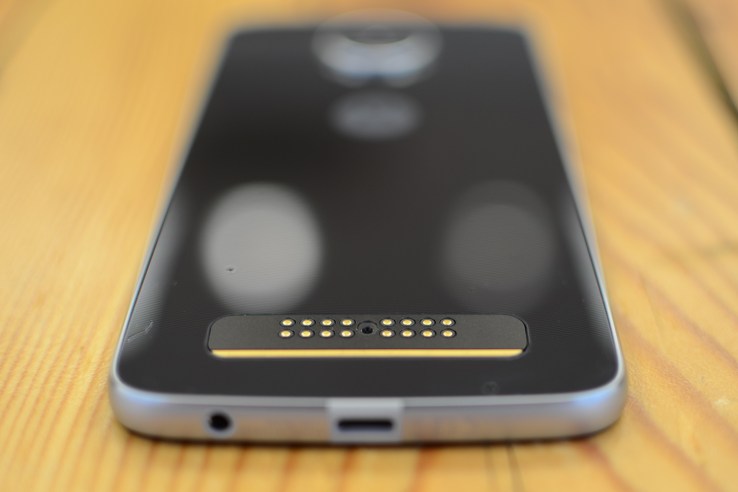
On a more positive note, Motorola has found more success with the Moto Z line of smartphones. The device is available at a much lower price point than the G5 was, making the phone more attractive to consumers. The phone is overall a standard phone with a connector on the back which allows many different attachments including a true optical zoom camera sensor, LBJ speakers, larger batteries, and even a projector.
Currently the Moto Z is on it’s second iteration with the Moto Z2. An event detailing more features and possibly a release date will be happening July 25.
Wrap Up
Project Ara was an ambitious device that may have been too far ahead of its time for its own good. While Google’s vision of a modular future has fizzled out, many of the team’s ideas have inspired other devices.
As far as the project itself, I hope we have not seen the last of it despite what Google has said. In the next few years when technology catches up to the innovation, maybe Google have another go at the modular phone. Until then we will have to see how smartphones evolve and change.

 Tech2Dump