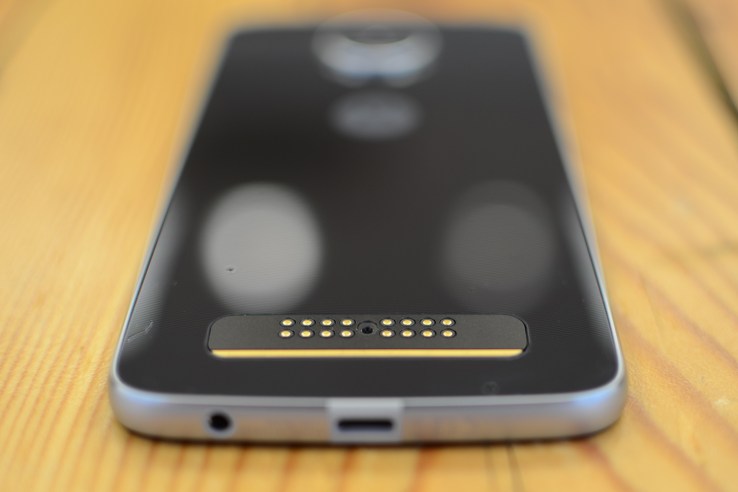
Form Factor: iPod Nano

On July 27, 2017 Apple announced the discontinuation of the iPod Nano line. Over the years, the black sheep of Apple’s music line took many forms and shapes as the company tried to find a successful build that hit with consumers. In the era of music streaming, a dedicated offline music player fell out of favor dragging down most of the iPod line with it.

This article is an appreciation for all of the wild designs the Nano took on, both good and bad.

2005
         325145-ipod-nano-first-gen

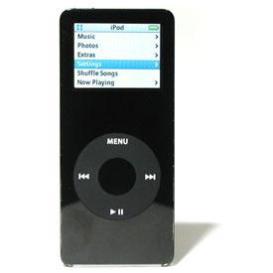
In September of 2005, Apple unveiled their revolutionary new product in the iPod line of devices. The Nano would be considered one of the smallest music players of the time. The iPod was small enough to fit in the watch pocket of the average pair of jeans. The small frame also helped the device become popular for those exercising as the build added little weight as an accessory compared to larger iPods.

The design itself was widely a smaller version of the then-current iPod Video. The main difference was the Nano was taller than it was wide, similar to the shape of the average flash drive. One of my main complaints about the design, along with the iPod Video it was inspired by, was that the glass front and shiny metal rear were prone to scratches; an issue amended in Generation 2.

2006

ipodnano-4-091206

The second generation of iPod Nanos went back to the iPod’s roots from the era of iPod Minis. The next generation of the product brought color back into the iPod line, an option I have missed for quite a long time. The new design featured a rounded metal finish that dealt with scratches better. The matte finish became a staple with the Nanos going forward along with the many color options.

2007
3g-nano-colors

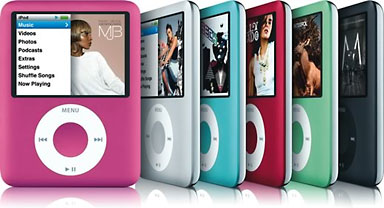
Here’s where Apple starts shaking things up in the Nano line. The third generation of the the iPod Nano featured a more squared off design closer to the width of its older brother, the iPod Classic. The scratch-resistant aluminum returns once again in a variety of colors. The shape of the iPod pushed for more media consumption than the Nanos of the past. The wide screen made it possible to watch videos and play the newly introduced iPod games, an addition I consider to be a wet-test for the coming App Store.

To me the third generation design is peak weirdness for the Nano line. Previously the Nano was for ultra-portable music whereas the new generation muddled the message. The device was still small, but the square design made it odd to hold in your hand. Not to mention the low storage options made it difficult to justify the device as a multimedia player. Apple seemed aware of the issue and went back to design closer to the original in the next generation. When I think of the iPod Nano, I always imagine this iteration first, and I honestly can’t explain why. Maybe it is the separation from all the devices before and after that makes it truly stick out in my mind.

2008
nano-group

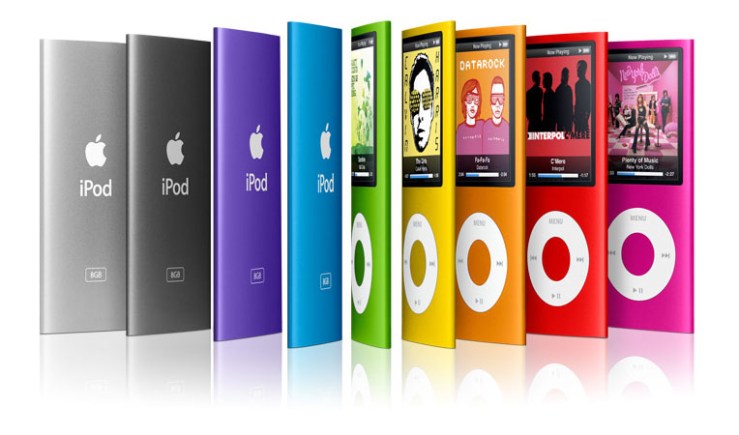
The fourth generation brought a greatest hits compilation of ideas from the entire Nano history leading up to it. The matte metal, multiple colors and the relatively large screen returned from the third generation. The main difference was the return to the narrow form of the first and second generation. Some new features like the accelerometer to put the device into cover flow mode and shaking the device to shuffle were added as well.

2009
ipod camera

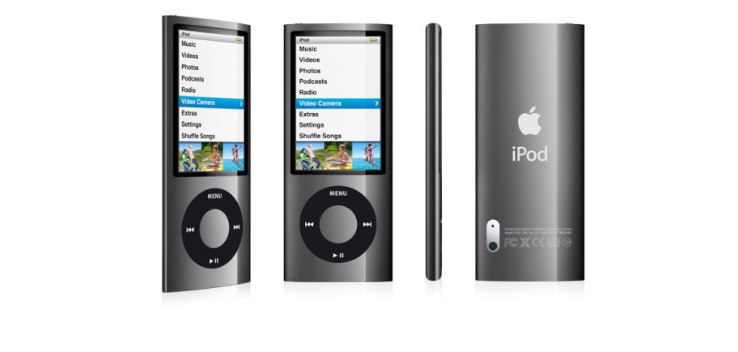
The fifth generation was the most iterative design of all the Nanos thus far. Nothing changed between 2008 and 2009 besides the addition of a camera and a shinier finish on the metal. The camera, to me, was a weak addition and more of a novelty at 0.3 megapixels. Under the hood the new pedometer was an ahead-of-its-time feature considering how popular step-trackers are. It also had a built in speaker to listen to recorded audio without needing headphones.

2010-2011
ipod-nano-lineup-2010

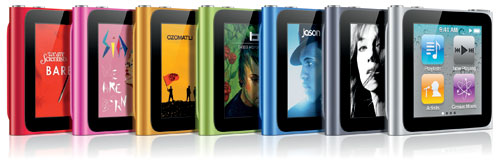
Here is where things get interesting. The sixth generation of the iPod Nano could be considered by many to be the prototype of the now popular Apple Watch. This model dropped the iconic click wheel in favor of a near-perfectly square frame with only a touch screen. The new device stripped most of the features from before away; it was centered around audio playback. No games or videos could be sycned to the music player.

The device also adapted some of the iPhone’s physical features in the form of volume up and down buttons similar to the iPhone 4 and the familiar sleep/wake button on top. An update was added later that added watch faces to the device making it closer to a watch than before.  Watchbands that the Nano clicked into which allowed you to wear it as a watch were designed by third party companies.

2012-2017

iPod_nano3

The seventh and final generation of the iPod Nano was yet again a return to the more traditional Nano design. The tall design returned, however a home button similar to the iPhone replaced the click wheel. The touch screen remained the primary input method. The design always seemed a bit off to me as the software featured, strangely enough, round icons that clashed with the rectangular screen. This time around, the frame was released in five different colors far more pastel-like than the previous color options. Unfortunately besides the redesign, very few features set the 7G Nano apart from the rest of the line. The added features seemed more focused on health as Bluetooth speaker support was added and heart rate monitors came standard.

The iPod Nano went out not with a bang but with a whimper. The formerly groundbreaking line of small music players was widely ignored up until the quiet discontinuation half a decade after the latest model was released. While many admired the tiny frame that kept shrinking and expanding over the years, the rise of streaming services including Apple’s own Apple Music made the idea of an offline music player obsolete and deprecated.

Road Trip Tech: Gadgets for the Ride

July is winding down which can only mean one thing: school is right around the corner. But before summer ends just yet, there’s still many of us out there with a trip planned to squeeze that last bit of fun out before the new semester.

But with every trip comes the commute. To some it might be boring. To others it might be more relaxing than the destination. For me, it’s a few hours to kick back and relax. Of course, relaxing can never be complete without a few gadgets and apps to help unwind.

The following are a few devices I throw in my bag for every car trip. Some are new, some are old, some are a bit of both.

content-4-34941-hacs_001_heroga02_r_adsmall

Nintendo Switch

“Hey isn’t this supposed to be a tech blog and not a Nintendo fan page?” you might ask, slamming your fists on your desk. You’re right, it isn’t. But I have spent a good amount of my posts talking about Nintendo and the brand new hybrid console. Why is that? Because to me it is one of the most interesting ideas in tech and video games in a long time. Nintendo shook everything up with the new system, and the use cases for it are practically endless. Because of that, the system is your best bet for an on-the-go Mario Kart marathon with whomever you are in the car with. Simply sliding the joycon off the sides of the system turn into two independent controllers; that means the Switch has two controllers in the box already. All you have to do is figure out how to prop it up, and you’re ready to go. Game on on the road.

ipod

Your Old iPod

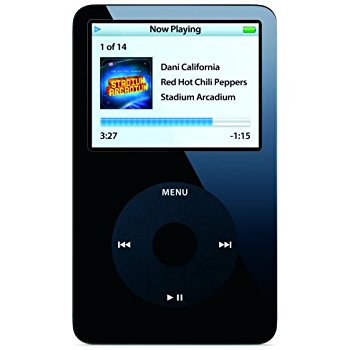
Any make or model will do, whether it be the Mini or the Nano or the Touch. Chances are you had an iPod replaced by your phone, acting as a snapshot in your musical timeline. A road trip is the perfect time to grab the old MP3 player and sing your lungs out to your favorite songs you forgot about years ago.

kindle

Amazon Kindle

To be honest, I’m a much bigger fan of physical media than digital, but after seeing my friends’ Kindles and how much they swear they are the best way to read books, I find it hard to ignore. If you are like me in any way, you have a few books started at the same time. Instead of throwing all of them into your bag and weighing you down, you might as well download them and carry one device.

R6-Black-Square-v02

Klipsch R6 Earbuds

Sometimes you do not necessarily want to listen to the people in the car with you. That’s where the Klipsch R6 in-ear headphones come in. These cheap buds have the sound quality of much higher priced headphones, and that’s why they are my go-to choice for earbuds. These are some of the best earbuds I have ever used and I consistently go back to them.

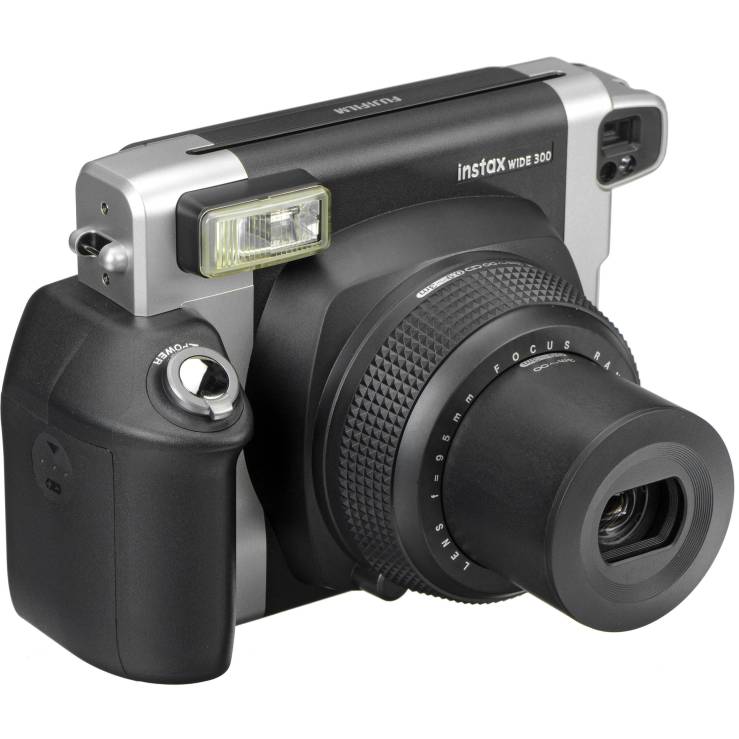
fujifilm_instax_wide_300_instant_1081638

Fujifilm Instax Wide 300

I’m sure many of you are familiar with the smaller and cheaper variant of Fujifilm cameras, the Instax Mini series; but for a little bit more money, you can have larger, more traditional photos with the Instax Wide. While the film can get pricey, chances are you aren’t going to have too many photos printed out at your nearest convenience store. The Instax Wide is durable and comes with a sleeve to put it in for safety.

jackery

Jackery Bar 6000mAh portable battery

Depending on how long the car ride is or how many people are along for the ride, charging cables might be tied up. What are you going to do if your phone is on its last leg and your sibling is hogging the cable? Pull out your Jackery portable charger. I originally bought this battery to assist me on my Pokemon Go adventures, and what impressed me was how it could positively charge a Nexus 6P with the game running. For that reason alone it gets a thumbs up from me.


Obviously there are some devices on here that you don’t necessarily need for your adventures on the road. Or maybe I missed some gadgets you find essential. Let me know in the comments what you think. I’d love to hear suggestions on what I add to my roadtrip survival kit.

Nintendo’s Indie Scene Has an Online Problem

switch-online-650x366

Nintendo is the video game company that everyone loves to love. The company revolutionized video games and brought gaming from arcades into our living rooms in the first mainstream way.

While Nintendo has experienced ups and downs like any company, one aspect of the user experience has plagued gamers since the Wii: bad online support and gameplay.

This may come as no surprise to any of you who have ridden Nintendo’s wave over the last few console generations. However now that the Switch is out, the disappointing online support has been pushed even further into the limelight with the Nintendo Switch Online app.

If you are reading this, you probably know the issues the app has and the problems that arise from a lack of native chat support. While that is another argument with many sides, there is one group above all else affected by the archaic online support: independent developers. In February Nintendo unveiled “Nindies,” a slew of indie games coming to the new platform. Huge games such as Harvest Moon-esque Stardew Valley, Banjo-Kazooie inspired Yooka-Laylee, and Steamworld Dig 2.

Fans were excited to get their hands on many of these new games yet the rollout of these games has been less than ideal with many developers left in the dark when it came to releasing their games on time.

nbaplay

NBA Playgrounds, NBA Jam’s spiritual successor, has had a rocky go on Nintendo’s new console. While the game made it’s May 9th release date, update delays followed in the following months. By the time the Switch version received it’s first content update adding online play last week, the Playstation 4 and Xbox One counterparts had already received four updates adding many new players, shot meters and 3-point contest. On top of that, the other consoles had online play day one. The developers Saber Interactive received much criticism from consumers who purchased the game for lacking features on the Switch version and consistently saying “next week” when pressed on update details. The main cause of the delay was cited as online connectivity issues.

pocketrumble

Another Nindie reveal Pocket Rumble was one of my more highly anticipated fighting games that would scratch the fighter itch while waiting on other games. The game boasted Gameboy-like asthetics, easy to pick up controls, and HD rumble support. While the game was initially slated for release in March, Chucklefish games missed the window and no information was given in regards to the delay. In June, Chucklefish stated on Twitter online multiplayer was the central cause. Since then, no information has been given.

infinite_minigolf_by_pooterman-damrb5c.png

Zen Studios’s Infinite Minigolf was expected to release at noon CDT today. When the time finally came, the developer was shocked to see their game was not going to be released alongside all other platforms. The studio was caught with their pants down and have allegedly been in contact all day with Nintendo to figure out what the holdup is. As of now, the game has yet to be released and the July 25th window is closing. An interesting detail caught my eye in the game’s marketing; the game has a heavy custom course feature that allows cross-platform downloads. On top of that, there is a large online multiplayer component to the game.

What do all these games have in common? Online functionality. Saber Interactive had to jump through hoops to get the first update to the Switch a month after release; Pocket Rumble is still unavailable because of network issues; and Infinite Minigolf did not make their launch, seemingly because of Nintendo’s online guidelines.

On the internet, these developers have been getting their names dragged through the mud for missing launches and lacking features other platforms have. This is troubling for a variety of reasons, but the main one is future developer support. While many indie games were announced for the Switch in the Nindie Showcase, future game developers may see how their peers are being treated and steer away from the platform in order to keep their reputations in tact. Indie games have been giving life to the lulls between the major releases for the Switch so far. If the indie community begins to back away because of treatment, those lulls in 2018 and on will feel far more barren.

I love my Switch. It might be one of my favorite consoles of all time. But the fact remains; Nintendo’s online presence is archaic and well behind the times than any other console. It is long overdue for Nintendo to stop dragging independent developers through the mud due to their own negligence and own up to their faults.

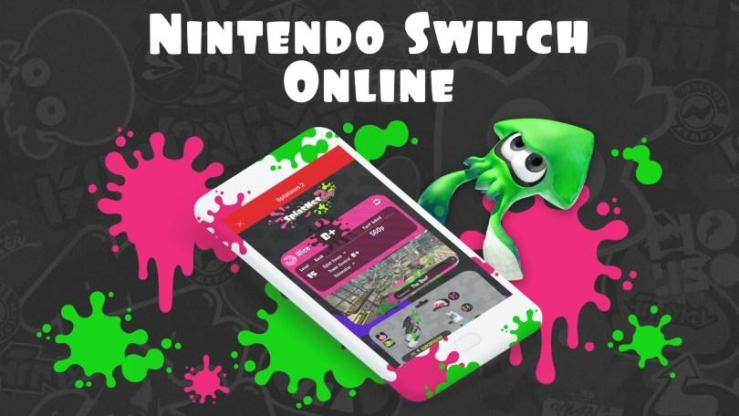
Nintendo Switch Online App Under Fire

548307-nintendo-switch-online-splatnet-splatoon-mobile-app

One day after launching, Nintendo’s mobile app in charge of voice chat and other communication among Switch users is being heavily criticized.

So far, a limited number of users have been able to access the main app functionality; these users consist of press members, early game reviewers, and Nintendo Treehouse employees.

Press members from various outlets have revealed that the app functions only while running with the phone screen on. This means that answering text messages, reading email, and taking other calls among other things will end the current chat. If the phone screen goes to sleep, the app shuts off as well.

The app’s design is troubling for many for a variety of reasons. Some are citing the Switch’s lack of on-board messaging and chat functionality as the main reason for their disappointment. Other users are citing the price of Nintendo’s online service being too high for the experience thus far.

More information should become available over the next few days as the app’s first major test will come with the release of Splatoon 2, a heavily anticipated 3rd person shooter with a heavy online component.

The History of Project Ara

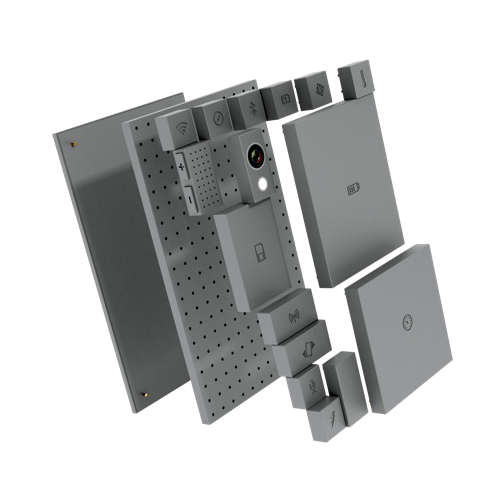
google-project-ara-small-medium

The Dream of a Modular Smartphone

Imagine dropping your phone face down on concrete. I know, the thought alone can be enough to make you cringe, but stay with me. Say you pick up the phone, and the screen is shattered beyond usable. Instead of going to a repair center, and paying up to a $100 to have it take all day; imagine popping into Best Buy, grabbing a new one, sliding the old one out, and sliding the new one on.

Google’s cancelled Project Ara was one of the most exciting ideas in smartphone tech in years. The idea of upgrading your phone with cameras, RAM, storage space, and batteries over time instead of locking yourself into a phone for a couple of years had me very excited about what the future of smartphones held.

That was the promise of Ara; a phone you could mix and match on the fly so you had a phone that adapted to your day instead of hoping the smartphone you had fit most of your needs.

Early Days: A Company Called Modu

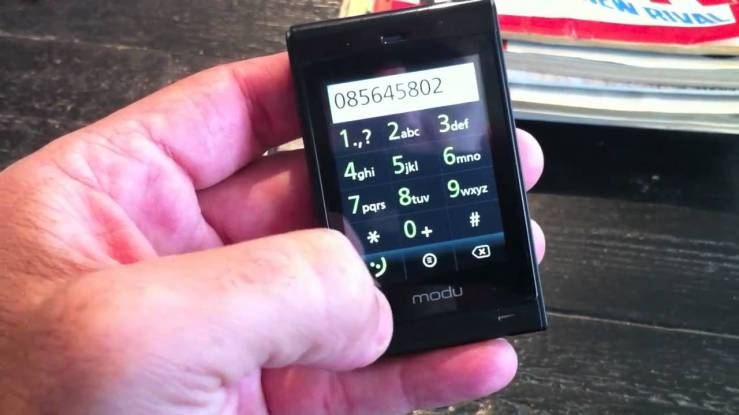
Before Project Ara Google, an Israeli phone company named Modu held the Guinness Book of World Records’ award for smallest phone at three inches tall. Modu’s “T”  was the company’s foray into modular design, which helped them arrive at the small design. The phone was a complete product in its own right, but consumers could by add-ons for the device. Fully QWERTY keyboards and an attachment that solely allowed Voice Over Internet Protocol or VoIP were the only two ever released.

modut

In 2011, Google purchased many modular patents as Modu was in the process of shutting its doors for good. The $4.9 million deal included all of Modu’s patents, most interestingly the ones covering modular design.

Following the acquisition of Modu’s patents, Google purchased Motorola Mobility. The Mobility team initially began development of Ara in April of 2013.

2013: The Year of the Modular Phone

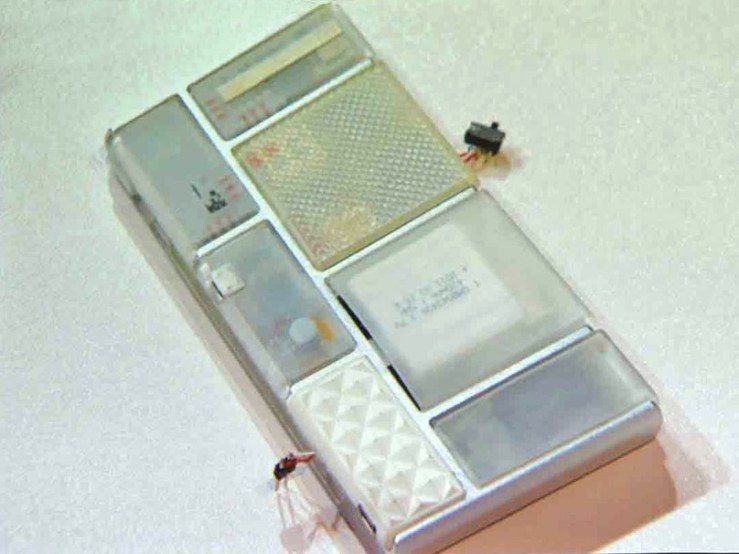
Amidst Google’s silence on plans for the modular patents, a new modular player entered the ring in the form of Dutch designer Dave Hakkens’s new modular phone project Phonebloks. According to the Phonebloks Website Hakkens built the idea when his “camera broke and there was no means to fix it.”  That event spiraled into a thought about how so much waste is from consumer electronics. Out of that idea came Phonebloks, a device that would let you customize your phone to fit your day to day by buying modules that attach to the rear of the phone. In September of 2013, a video was released, displaying the idea of Phonebloks to the world for the first time.

phonebloks.png

One month after the Phonebloks announcement in October of 2013, Google pulled back the curtain and revealed to the world Project Ara, the company’s entry into the modular ring. The interesting detail about the two reveals which differed from the average tech announcements was, rather than fighting each other for market share, both Moto and Phonebloks would work together to bring the idea to market.

Following the event, Motorola hit the road on a five-month trip around America to build hype around modular phones.

What Good is a Phone if it Doesn’t Boot?

Slightly over one year after initial development began, Google dedicated a segment of their 2014 I/O event to speaking at length the ideas Ara brought to the table. All was going well until the team decided to do a live boot sequence displaying the phone powering on for the very first time publicly.

After a few seconds of booting, the prototype loaded a small portion of the Android lock screen and froze. The failure showed how early in the development process Project Ara was, but to many the screen turning on was a victory in itself.

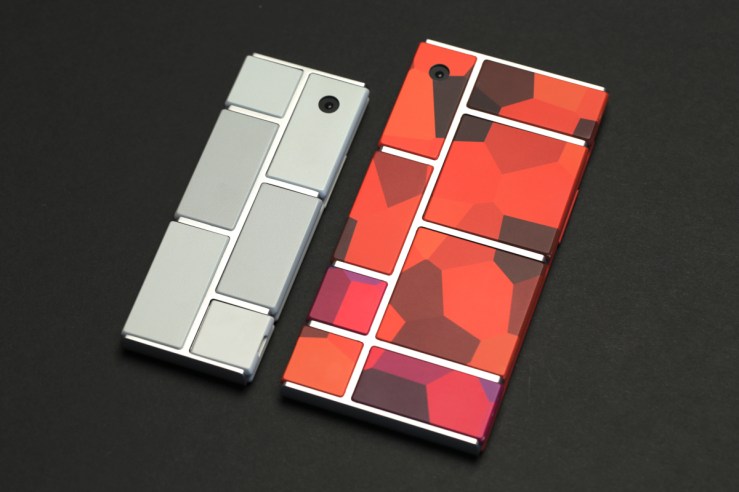
Project-Ara-Prototype

2016: The Dashed Hope

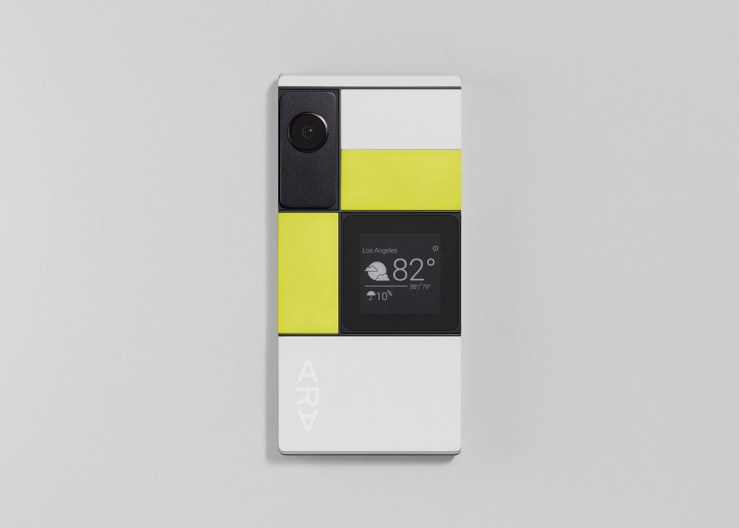
After a very quiet 2015, silence was broken by an exclusive story from WIRED’s David Pierce with a piece titled “Project Ara Lives: Google’s Modular Phone is Ready for You Now.” I was beyond excited as I read the article because so much was announced and many questions about the device had finally been answered. The day before Google’s I/O 2016 event the article went live saying he saw the device on, taking photos, and functioning as 30 developers’ daily phone. The article spoke of the phone’s software, right down to asking OK, Google to safely eject modules before removal. The article ended with the news that the developer units would be shipping out a few months after I/O.

Ara-developer-device-4-1

After finally getting the positive news many tech enthusiasts had clamored for since the Ara was first announced, four months after the working prototype had been revealed to the world Google told a writer at Venture Beat that Ara would not be coming to market at all and development was suspended indefinitely. The official reason for cancellation is Google’s chief of hardware Rick Osterloh wanted to get rid of clutter in Google’s product lineup. For many the reason was not good enough, and many other tech sites have speculated the true reason was cost efficiency. The tech was simply too advanced for what was on offer now, and performance may have been worse and costs been higher than conventional smart phones as a result.

As someone who was waiting on this phone to come to light, I was very disappointed with the phone I had waited for for so long would never actually arrive in my hands.

Ara’s Legacy

While Project Ara may never see the light of day again, the phone’s failure has not stopped some manufacturers from trying their hands at a modular smartphone. The results are mixed.

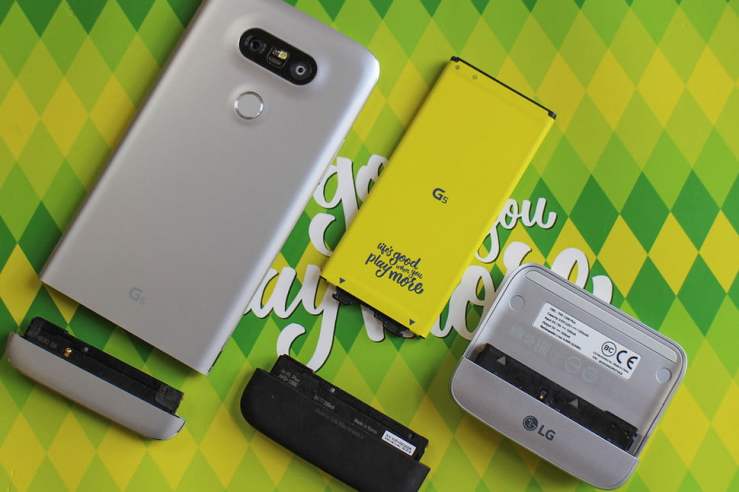
In 2016, LG released the LG G5 in their line of flagship smartphones. The device featured a removable chin which held the battery inside as well as allowed other attachments to replace it. The “Friends” line of modular attachments included analog camera controls, larger speakers for media, and a receiver for a 360 degree camera. While many thought the idea was novel, consumers did not take to the optional attachments and the modular design was abandoned in 2017’s LG G6.

lg-g5-friends-16-9-970x647-c

On a more positive note, Motorola has found more success with the Moto Z line of smartphones. The device is available at a much lower price point than the G5 was, making the phone more attractive to consumers. The phone is overall a standard phone with a connector on the back which allows many different attachments including a true optical zoom camera sensor, LBJ speakers, larger batteries, and even a projector.

Currently the Moto Z is on it’s second iteration with the Moto Z2. An event detailing more features and possibly a release date will be happening July 25.

Moto-Z-Play-Droid-and-Hasselblad-mod-hands-on-13

Wrap Up

Project Ara was an ambitious device that may have been too far ahead of its time for its own good. While Google’s vision of a modular future has fizzled out, many of the team’s ideas have inspired other devices.

As far as the project itself, I hope we have not seen the last of it despite what Google has said. In the next few years when technology catches up to the innovation, maybe Google have another go at the modular phone. Until then we will have to see how smartphones evolve and change.

Nintendo Switch Online App Now Available to Download

content-4-34941-hacs_001_heroga02_r_adsmall

As of a few hours ago, the long anticipated Nintendo Switch online companion app has been released on both the Google Play Store and Apple’s App Store.

While users can download the app, little functionality has been activated. A small slide show detailing features to come is the only feature users have access to, as the sign-in button leads to a maintenance pop-up.

The application was released leading up to the biggest online release for the Switch so far, Splatoon. The game features a heavily online multiplayer component, giving Nintendo’s online Switch servers their biggest test yet.

This story will be updated as the app’s features are activated. If you would like to download the app, links will be posted below.

Nintendo Online App in the Google Play Store

Nintendo Online App in iOS App Store

Hello, World

Hello and welcome to Tech2Dump, a blog about what’s happening in tech. My name is Riley Katz, and I am enthralled and passionate about technology’s constant presence in our lives.

This is a new blog that will cover all things happening in tech that impress or interest me. Some of the content on here will be long form posts about a variety of things, some might be little snippets about what’s happening at the moment.

One thing is for sure, though; I will be updating this blog consistently. Stay tuned, and thank you for reading.